Professional Inspection Services
What Does the RV Inspection Process Look Like?
Professional RV Inspections You Can Trust
Whether you’re buying an RV, preparing to sell, or staying ahead on maintenance, 1st Class Certified RV Inspector delivers reliable, high-quality inspection services—starting with your very first call. Our certified RV inspectors provide a thorough, educational, and transparent inspection experience so you know exactly what you’re dealing with.
Industry-Recognized Standards. No Shortcuts.
We follow the Standards of Practice established by NRVTA and NRVIA, as well as Blue Ox, the leading authorities in the RV inspection industry. Every inspection includes a comprehensive evaluation of all major systems and components, including:
– Electrical systems
– Plumbing and propane
– HVAC and appliances
– Roof and exterior
– Chassis and running gear
– Interior components and finishes
– Optional Fluid Analysis
We document items requiring immediate attention, as well as signs of wear, aging, or deferred maintenance—no surprises, no guesswork.
Clear Results. Confident Decisions.
After your inspection, we review the RV’s overall condition with you, explaining key findings in clear, straightforward language. You’ll receive a detailed digital inspection report in both HTML and PDF formats, complete with photos, descriptions, and recommendations.
This report provides more than a snapshot of condition—it gives you the knowledge and confidence to make informed decisions about your RV investment.
Why Professional RV Inspection Services Matter
Leverage in Negotiations
Buyers can use the inspection report to negotiate price adjustments or request repairs. Sellers may address issues before listing to support their asking price and reduce friction during negotiations.
Safety Comes First
Comprehensive RV inspection services identify critical safety concerns, including electrical hazards, carbon monoxide risks, mold, and structural issues.
Plan with Confidence
We identify components nearing the end of their service life—such as HVAC systems or water heaters—so you can plan and budget for future maintenance.
Builds Trust and Transparency
Pre-listing inspections demonstrate honesty and professionalism, helping sellers build buyer confidence and often leading to quicker, smoother transactions.
Peace of Mind
Understanding the true condition of a rv reduces surprises after the sale and allows you to move forward with confidence—whether buying or selling.
Frequently Asked Questions
A home inspection includes checking for any structural issues such as foundation cracks, roof leaks, plumbing issues, electrical wiring, heating/cooling systems, insulation, windows, doors, chimneys, etc. Depending on how big the property is, a home inspection typically takes 2-3 hours.
Ensure all inspection points are free from clutter, including any closets that might lead to a crawlspace or attic, and clearing some space around your home’s perimeter. It’s also important to check the functionality of all built-in appliances, electric, and gas. If you don’t plan to attend the inspection, make sure your inspector has access to the home, and all pets are properly contained or moved.
A home doesn’t pass or fail an inspection. Instead, a home inspection is a thorough audit of your home’s components. In most cases, there will be concerns marked on your home inspection report, but these are strictly informative.
While you can legally skip a home inspection in many cases, doing so could mean you may end up buying a home that has major issues that need to be fixed.
While a home inspector may recommend some minor repairs, they are not qualified to make major repairs. He or she can provide information about what needs to be repaired — and it might be helpful to know that information — but the decision to actually do the work lies solely with the homeowner. Not only does this give you the freedom to choose your contractors, but it also helps prevent a conflict of interest.
A home inspection can affect appraisals for two reasons: 1) The inspector may find something wrong with the property that would lower the value of the home, 2) The inspector may find things that need repair which could increase the value of the home. If the inspection finds issues that require repairs, then the seller has to decide whether they want to fix them themselves, or hire someone else to do it. If the buyer wants to purchase the home, he/she must be willing to pay for those repairs.
What's Included in a RV Inspection?
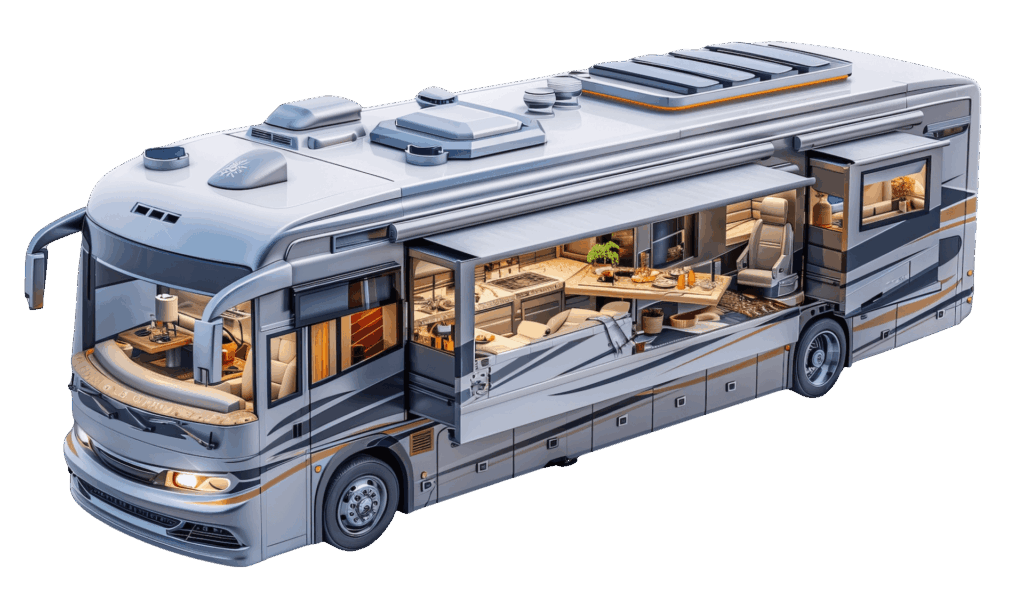
Roof and seal integrity
Roof intact, no leaks observed; sealant aging, preventive resealing recommended.
Exterior body, windows, and trim
Body straight, windows sealed, trim secure; minor cosmetic wear noted.
Chassis, suspension, and undercarriage
Structure sound, suspension serviceable; light surface corrosion present.
Slide-outs and seals
Slides operate correctly; seals intact with minor wear, conditioning advised.
Electrical systems
120V shore power, 12V battery, inverter, and converter operating properly.
Plumbing systems
No leaks detected; tanks, valves, and water heater operate normally.
Heating and air conditioning systems
Furnace and air conditioner functional, good airflow, normal thermostat response.
Major appliances
Refrigerator, stove, microwave, washer/dryer, and other appliances operating properly.
Hot-skin / stray-voltage safety test
No hazardous voltage detected; grounding and bonding acceptable.
LP (propane) system and leak testing
Propane system holds pressure; no leaks detected.
Life-safety devices
Safety devices present and operational; extinguisher nearing replacement interval.
Fluid sampling
Fluids indicate normal wear; no abnormal contamination detected.
